





Prosthodontic Associates, PLLC
Snap-On Smiles: Not Such a Snappy Solution
You may have seen snap-on smiles online or on Instagram, but while they look like a quick, painless way to improve your smile, they are not a replacement for proper dentistry. These appliances cover teeth superficially, but they don’t fix cavities, worn enamel, gum disease, or bite problems.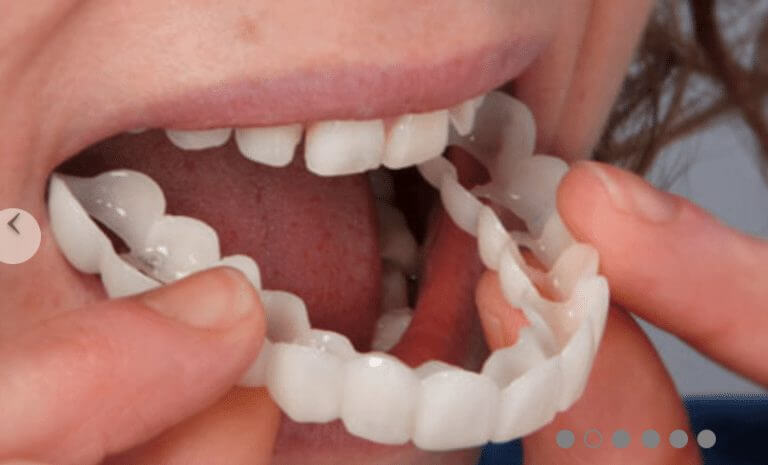
Relying on snap-on smiles can mask serious issues, often leading to more complex and costly treatment later. For a confident, lasting smile, it’s best to address the underlying problems. Conservative restorations, veneers, or implants provide solutions that look natural and support your oral health — not just your appearance.
Treating the problem, not just covering it, is the only way to protect your teeth, your bite, and your confidence.
Why do My Teeth Look Darker at the Gum Line?
If you’re noticing darker areas or small notches near your gum line, you may be seeing abfraction lesions. These occur when enamel thins or wears away at the neck of the tooth, exposing the underlying dentin — which naturally looks more yellow or brown.
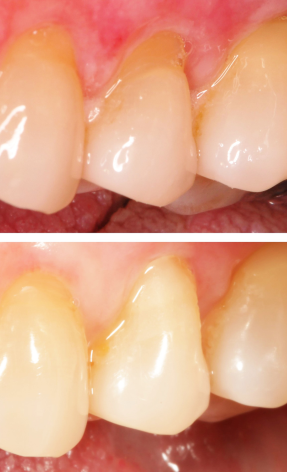 Two common causes are:
Clenching and grinding. Excess biting forces (often during sleep) cause teeth to flex microscopically over time, leading to stress at the gum line. Many people don’t realize they grind at night, but signs can include jaw soreness, headaches, or worn teeth.
Brushing too hard. Using a hard-bristled toothbrush or aggressive back-and-forth scrubbing can mechanically wear away enamel in this vulnerable area.
These lesions can lead to sensitivity and increase the risk of cavities if left untreated. The good news is that prevention is simple — use a soft or extra-soft toothbrush with gentle pressure, and a night guard to protect your teeth while you sleep if grinding may be contributing.
If you’re experiencing sensitivity or have cosmetic concerns, talk to us about a conservative filling option to restore comfort and blend the area naturally. Catching it early helps keep treatment simple and your smile strong.
An Ounce of Prevention: Why Delaying Dental Treatment Can Cost You More
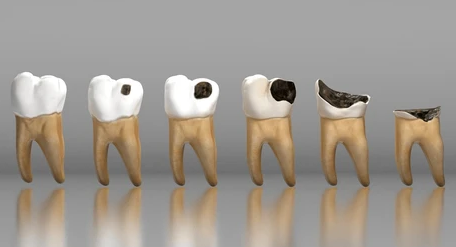 It’s easy to put off dental treatment — especially when something doesn’t hurt yet. But waiting often turns small, manageable issues into much bigger (and more expensive) problems. A tiny cavity can become a root canal. A cracked tooth can turn into a lost one. Missing teeth can cause bone loss and tooth migration that affects your bite and appearance.
Early intervention is almost always more conservative, comfortable, and cost-effective. Addressing problems when they’re small helps preserve more of your natural tooth structure and avoid complex, time-intensive procedures down the road.
At Prosthodontic Associates, we’re big believers in conservative care — protecting and saving your natural teeth whenever possible. Our goal is to catch issues early, restore with precision, and help you maintain a healthy, confident smile that lasts. Regular checkups and timely treatment are the best investment you can make — for both your smile and your wallet.
Ozempic Teeth: What Dentists Are Seeing and How to Protect Your Smile
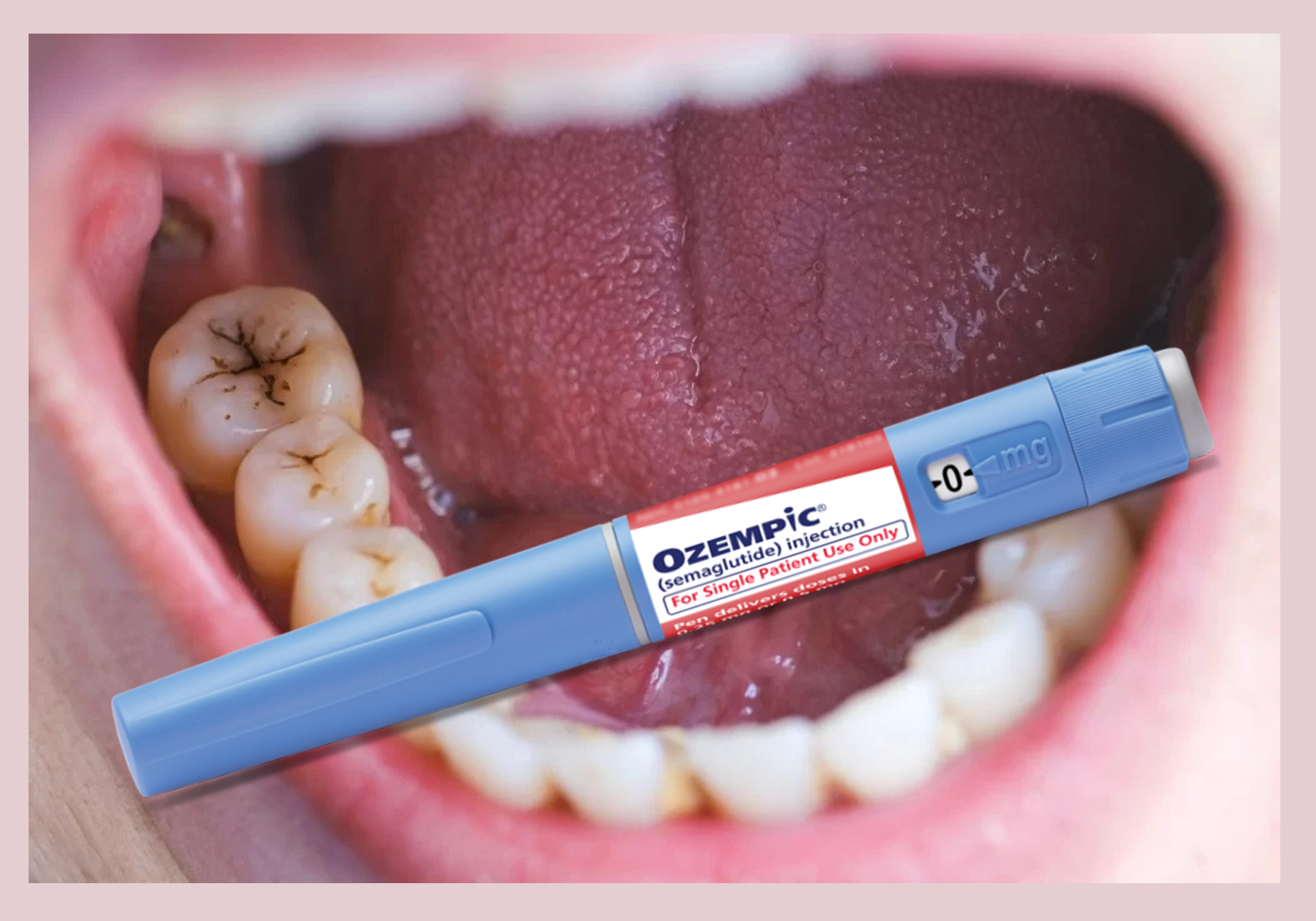 You may have heard the phrase “Ozempic teeth” popping up in the news. While Ozempic and similar GLP-1 medications are making headlines for weight management, dentists are starting to notice oral side effects in patients taking these medications.
One major concern with Ozempic—like many medications—is dry mouth. Saliva is the mouth’s natural defense system, washing away food particles and neutralizing acids. Without it, there’s a higher risk of cavities and gum problems. But that’s not the only issue. Ozempic can also cause nausea and vomiting, exposing teeth to stomach acid and leading to enamel erosion over time. In some cases, nutrient deficiencies from reduced appetite can affect gum health and the bone that supports your teeth.
Additionally, people with diabetes already face a higher risk of gum disease and slower healing. Good home care, staying hydrated, chewing sugar-free gum, and keeping up with regular dental visits are simple ways to protect your smile—no prescription required.
Healthy Mouth, Healthy You: How Gum Health Affects the Rest of You
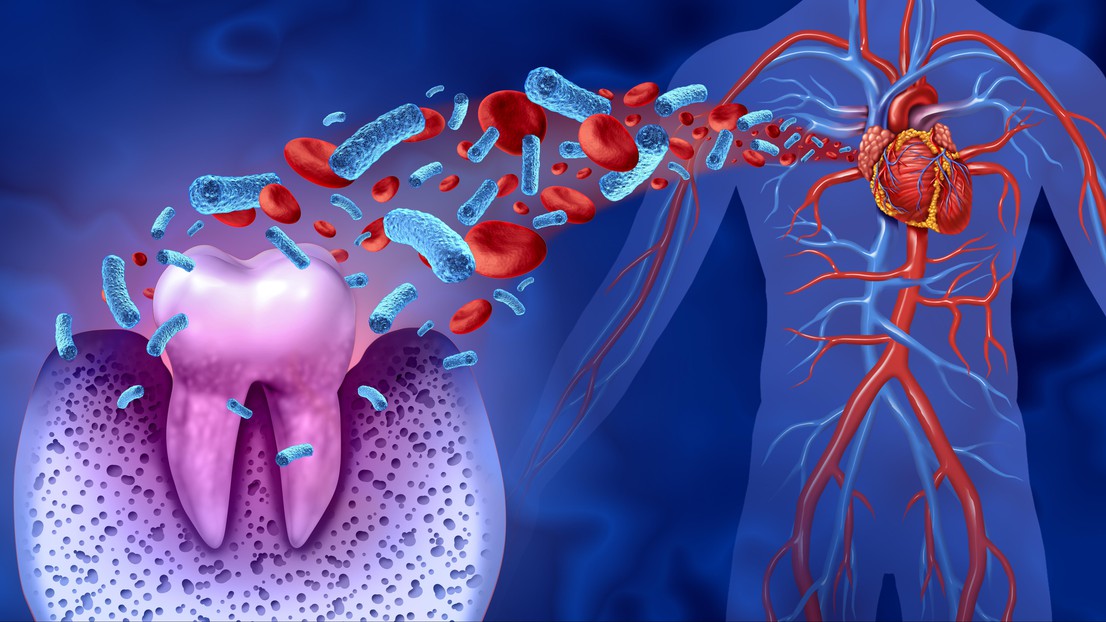 Recent headlines have highlighted research linking oral bacteria to conditions like heart disease and dementia. These studies show an association—not direct causation—but they remind us how closely the mouth and body are connected. Oral bacteria don’t just cause gum disease; when the gums bleed, oral bacteria can enter the bloodstream, travel to other parts of the body, and potentially influence inflammatory pathways.
That’s why good oral hygiene and routine dental visits are so important. Brushing, flossing, and keeping up with professional cleanings all help prevent gum disease, protect against bleeding gums, and may reduce risks that extend well beyond your smile.
Smile Saboteurs: Sneaky Culprits That Are Staining Your Smile
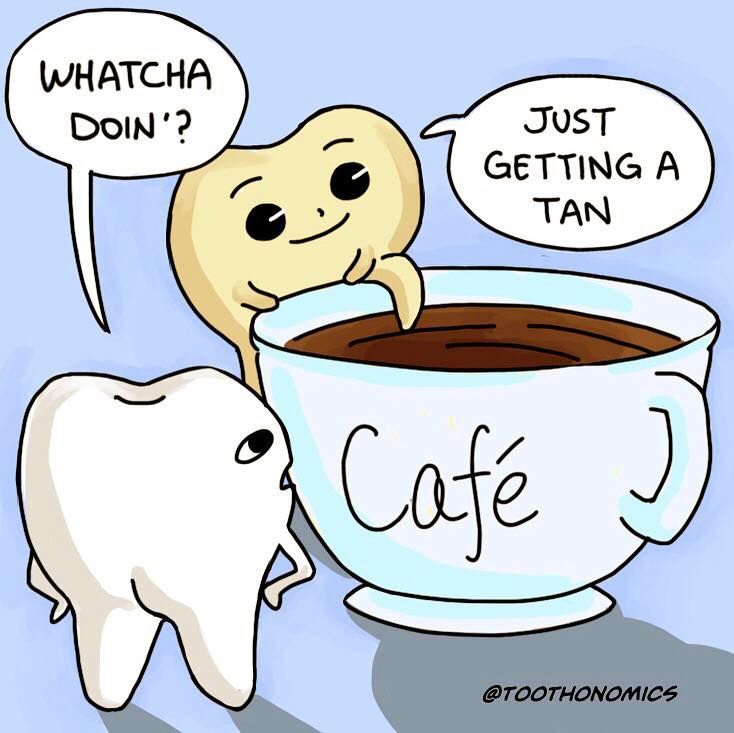 Think your morning coffee is the only thing staining your teeth? Think again—some of the biggest smile saboteurs are hiding in plain sight. Sure, coffee, black tea, and red wine are the usual suspects, but white wine, herbal teas, turmeric, tomato sauce, soy sauce, and even berries can sneak in and leave their mark on your enamel over time.
Daily brushing helps, but once stains settle in, they can be tough to tackle at home. That’s where in-office whitening shines—professional treatments safely and effectively lift both obvious and hidden stains, restoring brightness to your smile. To keep your teeth healthy and minimize sensitivity, whitening about once a year (with occasional touch-ups) is usually the sweet spot. Pair that with mindful eating habits, routine cleanings, and good home care, and your smile will stay brighter, longer.
The Sour Side of Lemon Water
 Lemon water is often seen as a healthy habit, but frequent sipping can expose your teeth to acid throughout the day. This constant acid exposure weakens enamel and raises the risk of cavities, even if you’re brushing and flossing regularly. Over time, enamel erosion can also cause sensitivity and discoloration, making teeth look less bright. That doesn’t mean you have to give it up—just enjoy it in moderation, ideally with meals, and be mindful of how often you reach for that refreshing citrus boost.
Zyn and Bear It? The Hidden Risks for Your Oral Health
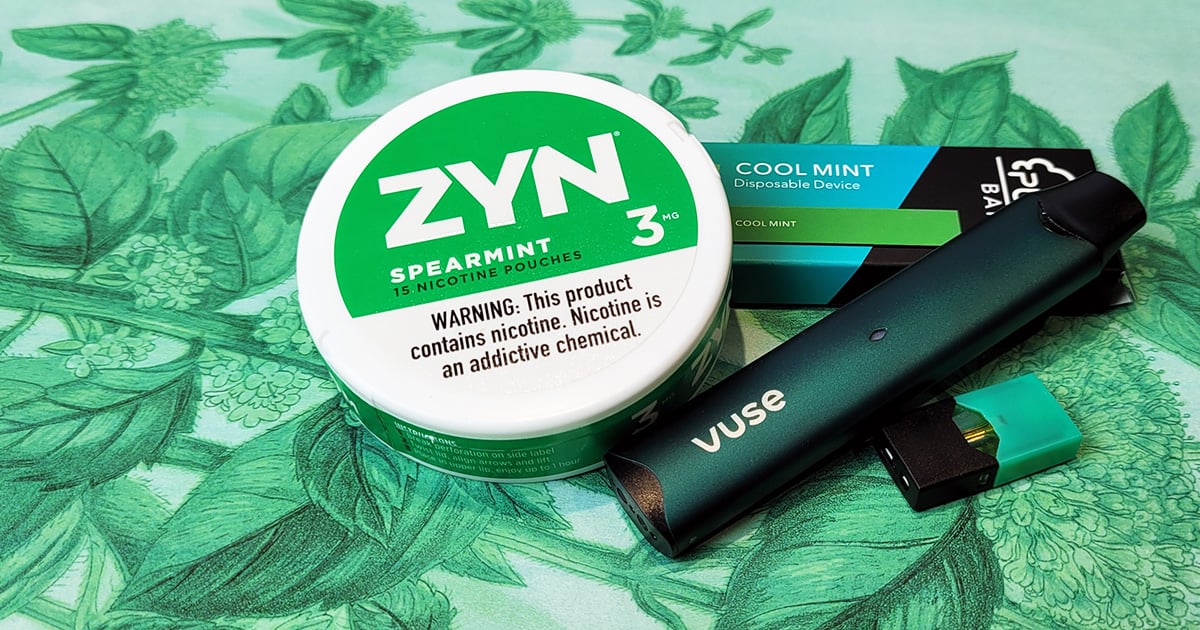 Vaping, e-cigarettes, and nicotine pouches like Zyns are often marketed as “tobacco-free alternatives,” but that doesn’t mean they’re harmless. These products still contain nicotine, which is highly addictive. Since their ingredients and additives are poorly regulated, the long-term effects are not fully known—but we already see clear risks.
Nicotine use through vaping or pouches has been linked to dry mouth (which increases cavities), gum irritation and recession, oral inflammation, and a higher risk of periodontal disease and bone loss. There’s also growing concern about an increased risk of oral cancer. The best way to protect your oral health is to avoid these products and keep up with regular dental visits so problems can be caught early.
Tooth Be Told: Wait Before You Brush
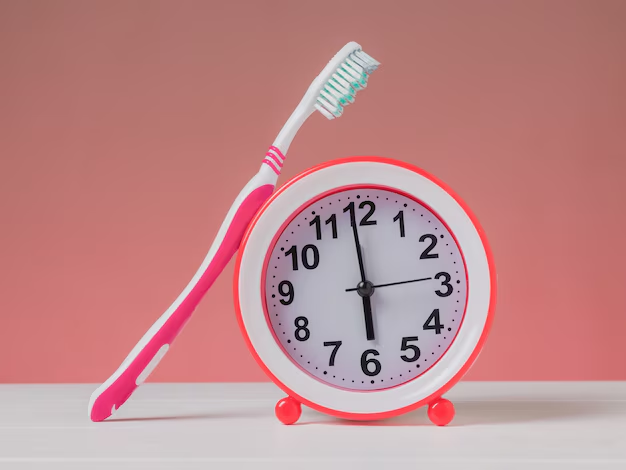 It might seem smart to brush right after eating—but doing so too soon can actually harm your teeth. When you eat, especially acidic foods like citrus, tomatoes, or vinegar-based dressings, your enamel softens temporarily. Brushing right away can wear down that softened enamel over time. Plus, if you brush too soon, the fluoride in your enamel can draw out into your saliva and be lost when you spit—before your teeth have a chance to reabsorb it. Waiting 20–30 minutes lets your saliva neutralize acids and gives your enamel time to recover. Tooth be told, a little patience goes a long way in protecting your smile!
Fluoride: Friend or Foe?
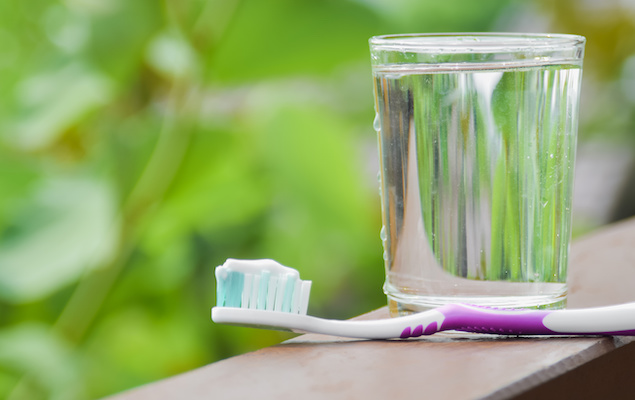
There’s a lot of controversy about fluoride in the news these days, but when it comes to protecting your teeth, fluoride is absolutely your friend. This naturally occurring mineral strengthens enamel, helps prevent cavities, and can even reverse early tooth decay. It’s been safely used in public water supplies and toothpaste for decades, with strong support from the dental and medical communities. While some concerns get attention online, the science is clear: fluoride remains one of the most effective, affordable ways to keep your smile strong and healthy!