





Prosthodontic Associates, PLLC
When Does a Tooth Need an Implant Instead of Another Crown?
When a tooth is damaged, the next step is to determine how it should be treated. In many cases, a crown can restore and protect the tooth. But when a tooth has already been repeatedly treated with crowns or root canal treatment, fractured below the gum line, or weakened by extensive decay, a crown may not be the best option.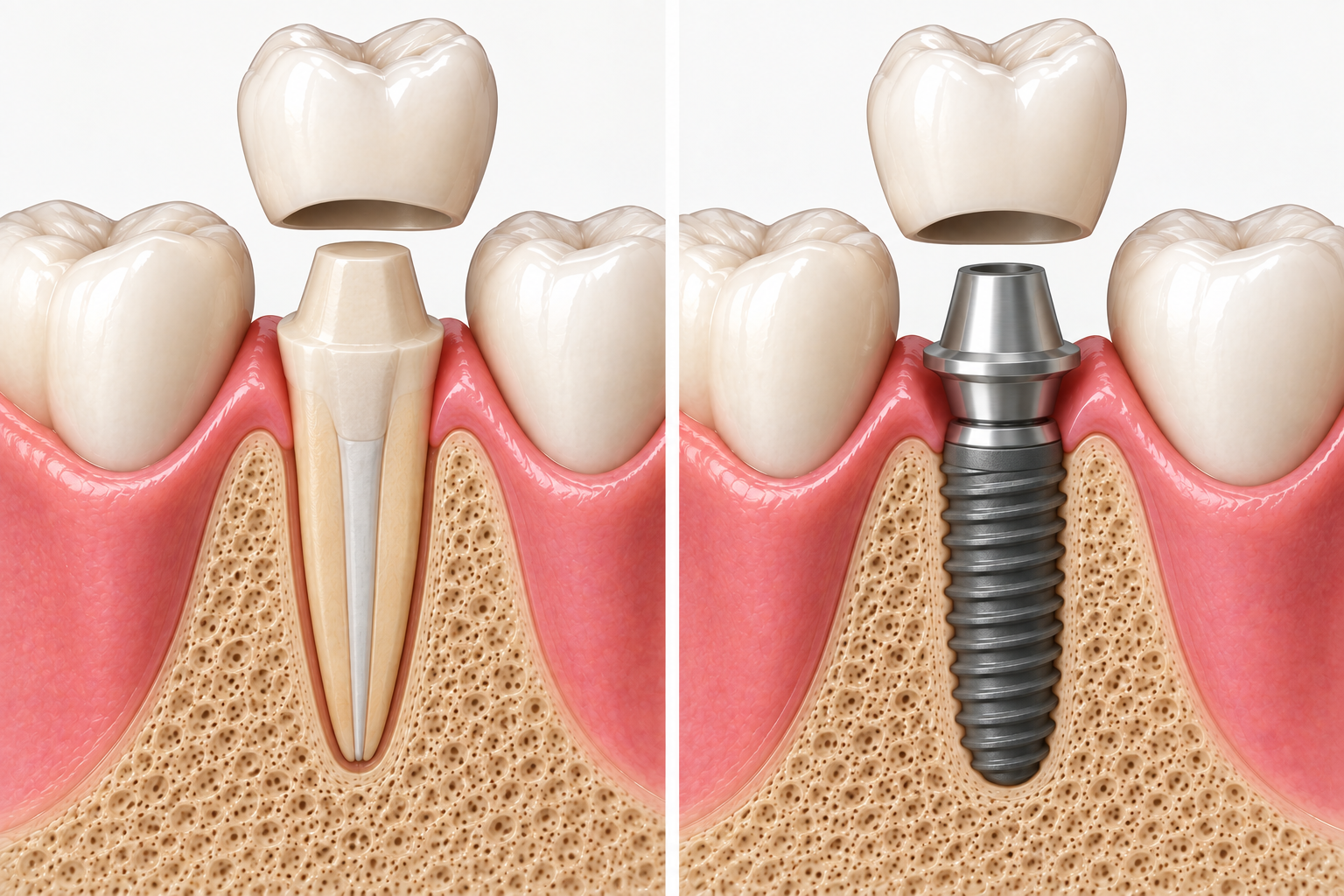 A careful decision needs to be made about whether the tooth can be restored predictably and with a reasonable prognosis for longevity. That decision requires more than looking at a single X-ray. We evaluate the amount of healthy tooth structure, the location and extent of any fracture or decay, the condition of the surrounding teeth, gums, and bone, and the forces the tooth will need to withstand.
When a tooth cannot be predictably restored, an implant may offer a more reliable way to replace it. An implant functions as an artificial tooth root and is fitted with a custom crown on top. In some situations, this can actually be a conservative option because it replaces the missing tooth without requiring the preparation of neighboring healthy teeth, as would be necessary for a traditional bridge. At Prosthodontic Associates, we approach these decisions by understanding the condition of the tooth, the reasons previous treatment may have failed, the forces placed on that tooth, the overall bite, and the needs of the entire mouth. Sometimes the most conservative choice is to restore the natural tooth. In other situations, removing a compromised tooth and replacing it with an implant may protect the surrounding teeth and provide a more predictable long-term result. We look beyond the single tooth to determine which treatment offers the best balance of preservation, predictability, longevity, and function.
Do You Really Need Mouthwash? What We’re Learning About the Oral Microbiome
A recent New York Times article raised an interesting question about a product many of us use every day: could mouthwash be doing more than freshening your breath? Our mouths are home to a complex community of bacteria, known as the oral microbiome. Not all bacteria are harmful; some play important roles in maintaining a healthy oral environment and may even contribute to health beyond the mouth. Strong antiseptic mouthwashes can disrupt this bacterial community, which has raised questions 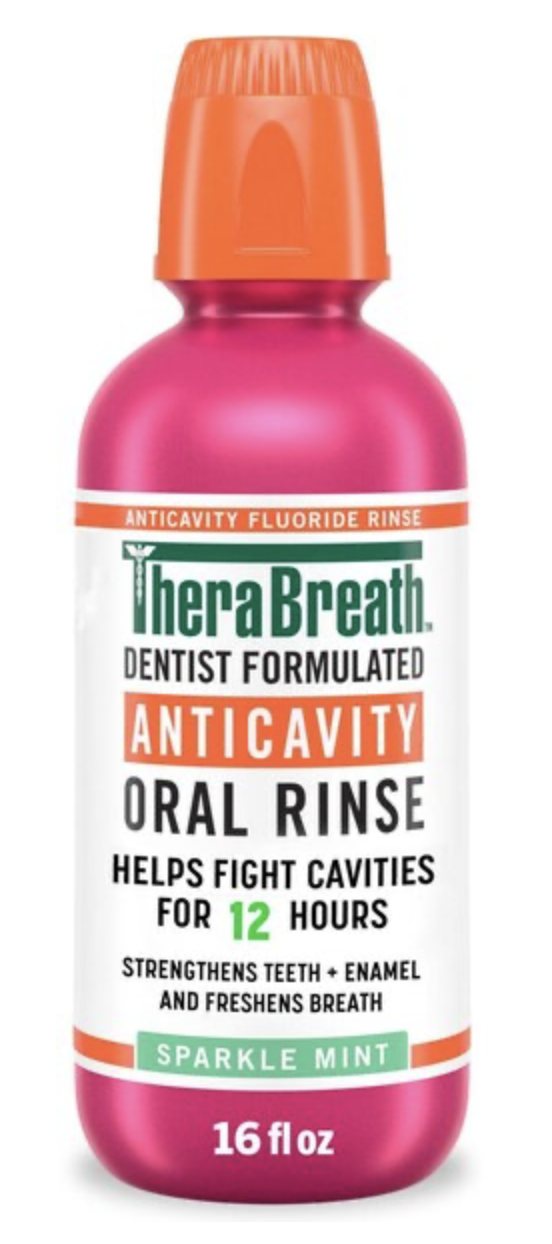 about whether routinely eliminating large numbers of oral bacteria is always beneficial.
So should you stop using mouthwash? Well, it depends. The type of mouthwash, why you are using it, and your individual oral health all matter. It is worth discussing with your dentist during your routine hygiene visits. Certain rinses have an important role in managing dry-mouth symptoms, treating gum disease, controlling bacteria after dental procedures, or providing additional fluoride for patients at higher risk of cavities. For many healthy patients, however, daily mouthwash is unnecessary. It should never replace the basics: brushing with fluoride toothpaste, flossing around the gums and between the teeth, and regular professional care. At Prosthodontic Associates of New York, we take the same evidence-based approach to oral rinses that we use throughout our practice. We don’t believe in adding a product simply because it is marketed as necessary. We want to understand what your mouth actually needs and recommend the tools that provide a meaningful benefit.
Do You Really Need Veneers? A Conservative Approach to Cosmetic Dentistry
Allure recently published an article, “We’ve Entered the Age of Veneer Regret,” as patients shift toward a more natural, individualized look and reconsider the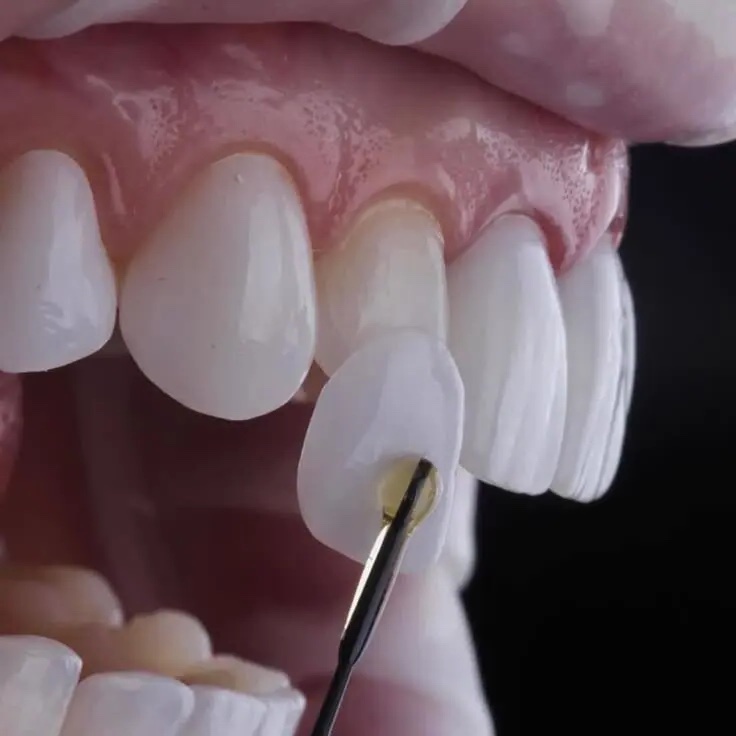 ultra-white, highly uniform smiles that have dominated cosmetic dentistry in recent years. At Prosthodontic Associates of New York, we welcome that shift. We create beautiful, natural-looking veneers that take into account facial harmony, proportions, skin tone, and the unique characteristics of each patient’s smile. But we don’t believe everyone needs veneers. Veneers are a long-term commitment. Even with minimal-prep or no-prep techniques, placing any restoration on a healthy tooth has long-term consequences, including ongoing maintenance and eventual replacement. Once veneers are placed, they become part of a patient’s long-term dental care, and we increasingly see patients seeking to revise or replace cosmetic dentistry that no longer suits them. For that reason, we don’t recommend veneers simply because they are fashionable or because someone wants a more “perfect” smile. There should be an appropriate dental or meaningful aesthetic reason to consider them.
Our philosophy is deeply rooted in necessary and thoughtful treatment. We don’t alter healthy teeth unless the benefits justify doing so. When veneers are appropriate, we take a conservative approach. We consider alternatives such as Invisalign or professional whitening when they can achieve the desired result without permanently altering the teeth. When veneers are the right choice, we focus on natural proportions, translucency, color, texture, and individualized design rather than creating a one-size-fits-all smile. Our in-house laboratory and master ceramist allow us to work closely on the details and artistry that create a truly bespoke result. The goal isn’t for it to be obvious that you have veneers. The goal is for the dentistry to be virtually undetectable, to look the way your teeth were always supposed to look. As Coco Chanel famously said, “Elegance is refusal.” Sometimes the best cosmetic dentistry is knowing when veneers are the right treatment, and when they aren’t.
What Happens When You Lose Back Teeth?
Many New Yorkers followed the recent story about the former Pfizer building on East 42nd Street, where buckling support columns during construction raised concerns about the building’s structural integrity. While a building and a mouth are very different, both depend on strong structural support. When that support is compromised, the remaining structure has to absorb forces it wasn’t designed to handle.
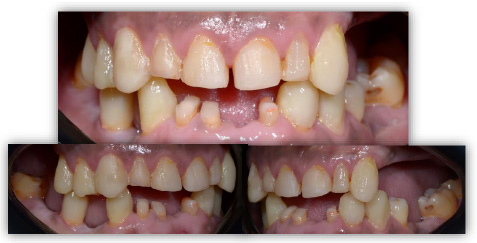 The same is true in your mouth. Your back teeth do much more than chew. They absorb the majority of the forces created when you bite. When one or more back teeth are lost, those forces are redistributed to the remaining teeth, especially the front teeth, which were never designed to withstand that amount of pressure. Over time, this imbalance can lead to worn or chipped front teeth, cracked fillings and crowns, shifting teeth, changes in your bite, and even jaw discomfort. At Prosthodontic Associates, we look beyond the missing tooth. We evaluate the whole mouth and how a single tooth affects the entire bite. Our goal is always to restore balance to your bite and protect your remaining natural teeth. Whether treatment involves a dental implant, bridge, or another restorative solution, replacing missing back teeth helps preserve your smile and may prevent more extensive treatment in the future.
Why Do My Fillings Keep Breaking? Understanding Why Dental Restorations Fail
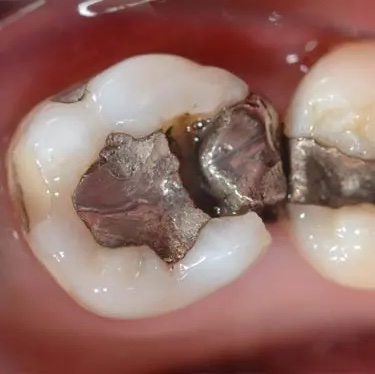 If you’ve had the same tooth repaired multiple times, you may wonder why the filling keeps breaking. Dental restorations can fail for many reasons. Sometimes it’s related to the size or location of the filling, but repeated failure can also be a sign that something else is happening. Cracked or weakened tooth structure, excessive biting forces from clenching or grinding, or an unbalanced bite can all contribute to a restoration breaking down over time. In some cases, the problem is not just the tooth itself, but the way the surrounding teeth and the overall bite function together.
The key to successful dentistry is understanding why something failed, not just replacing what broke. At Prosthodontic Associates of New York, we evaluate the entire system: the remaining tooth structure, how forces are distributed, and the long-term needs of each patient. Depending on the situation, treatment may involve a more conservative restoration such as an inlay or onlay, a protective appliance like a custom night guard, or more comprehensive restorative treatment when multiple teeth are affected. The goal is always to create dental restorations that work with your natural teeth, protect what remains, and support long-term oral health.
When You Do Need a Filling—Why It’s Not Just a “Filling”
Not every cavity can be treated without a filling. For deeper decay, cracked cusps, or when large fillings begin to fail, a restoration is often necessary to preserve the tooth and prevent more extensive treatment. Even in these situations, however, preserving healthy tooth structure remains the primary goal.
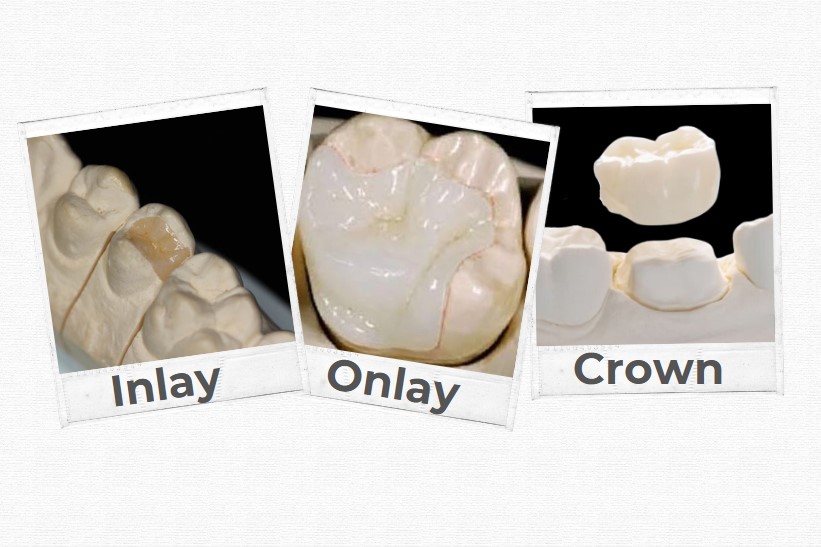 At Prosthodontic Associates, conservative dentistry doesn’t stop when it’s time to restore a tooth—it guides how we restore it. Rather than defaulting to large fillings or full-coverage crowns, we often recommend conservative restorations such as inlays and onlays when appropriate. Our minimally invasive approach, combined with a fully digital workflow and in-house laboratory, allows us to design and fabricate highly precise restorations tailored for long-term function, esthetics, and durability.
Whether we are managing a cracked tooth, replacing a failing filling, or restoring structure lost to decay, our philosophy remains consistent: preserve as much of your natural tooth as possible while restoring strength and stability where it is truly needed.
Do You Always Need a Filling? Understanding Early Cavities and Conservative Treatment
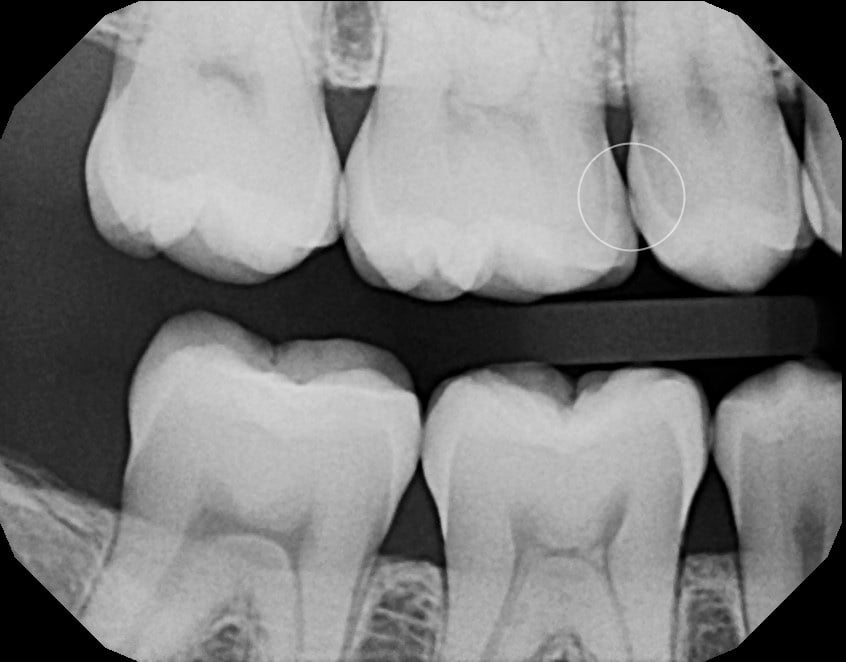
A recent The New York Times article highlighted something many patients don’t realize…not every cavity needs to be drilled and filled right away. Dental decay (“caries”) exists on a spectrum and the decision on how to treat depends on how deep it extends into tooth structure. In many cases, early cavities or “incipient lesions” can be slowed, halted, or even reversed without traditional drilling and filling. Modern dentistry is increasingly focused on prevention and minimally invasive care, using techniques that preserve natural tooth structure whenever possible.
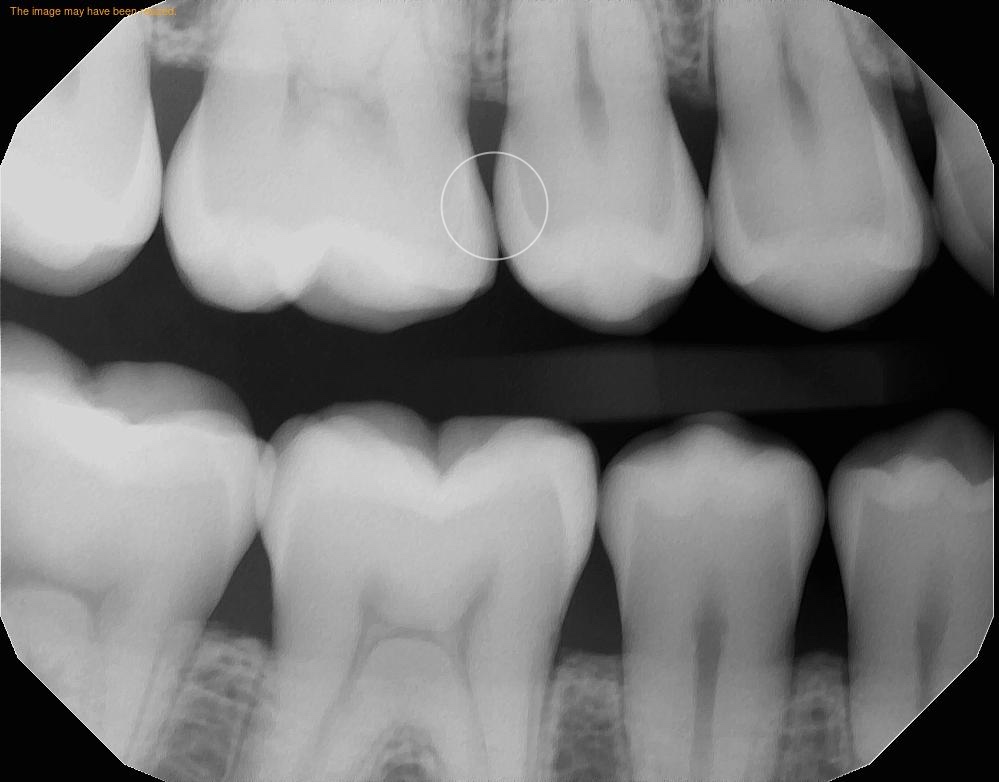 At Prosthodontic Associates of New York, we’re big believers in conservative, evidence-based treatment. We are constantly incorporating techniques that allow us to minimize or avoid drilling when appropriate. This includes prescription-strength fluoride toothpaste, in-office fluoride varnish, MI paste trays, and newer therapies such as Curodont, all paired with careful monitoring of early lesions over time. As the saying goes, an ounce of prevention is worth a pound of cure. When it comes to treating early cavities, success often looks like us not having to drill your tooth at all.
What is a Prosthodontist?
 When dental care becomes more complex, the details matter.
Prosthodontics is the dental specialty focused on restoring and replacing teeth. It combines advanced training, precision, and an artistic approach to create smiles that look natural and feel comfortable.
A prosthodontist completes several additional years of specialized training to treat more complex dental concerns, including worn or broken teeth, missing teeth, and bite issues such as teeth that don’t come together properly or feel uncomfortable when you chew.
This level of expertise is especially important in cases requiring full mouth rehabilitation, where most/all teeth, the bite, and overall function need to be carefully restored together.
What sets prosthodontic care apart is not just the treatment itself, but the thought and planning behind it. Every case is approached comprehensively, with careful consideration of how the teeth, bite, muscles, and joints work together. This allows restorations to be designed for long-term stability, comfort, and aesthetics, rather than addressing individual concerns in isolation.
Modern prosthodontics also incorporates advanced digital technology, including 3D imaging, precision-guided workflows, and custom-designed restorations, allowing for a high level of accuracy and personalization. At our Midtown Manhattan practice, this process is further enhanced by our in-house laboratory, where our doctors and technicians work closely together to refine every detail.
From subtle cosmetic improvements to more comprehensive care, prosthodontic care is centered on restoring not just your teeth, but your comfort, confidence, and quality of life.
Why Do My Teeth Keep Breaking? Understanding Worn Dentition
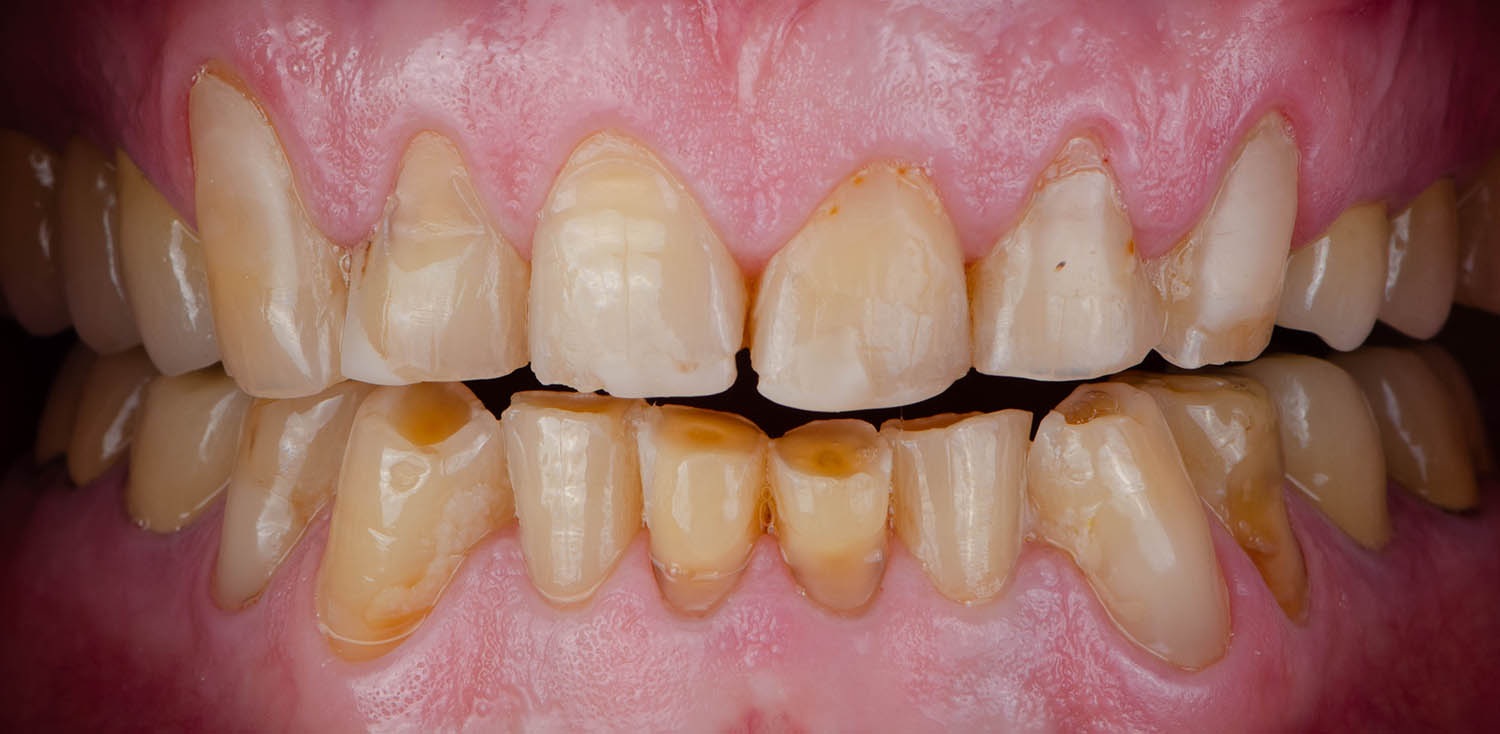 If your teeth keep chipping or cracking, worn dentition may be the reason. Worn dentition is the gradual loss of tooth structure over time, often caused by clenching and grinding, shifting teeth, or an unbalanced bite—common reasons behind worn down teeth and repeated tooth fractures. Dietary habits like frequently eating hard foods (think nuts) or acidic items (like lemons or soda) can also contribute. It may appear as flattening on the biting surfaces or small notches near the gumline, and can lead to sensitivity in some people.
As tooth structure is lost, teeth become weaker and more prone to chipping and cracking, creating a cycle of ongoing damage as forces become less evenly distributed. Careful evaluation of the bite, along with thoughtful planning and precise restorations, can help restore strength while protecting the remaining tooth structure. In some cases, this can be managed conservatively with a night guard, monitoring, or small areas of bonding, while other situations may benefit from approaches like Botox to reduce excessive biting forces or minimally invasive restorations that protect worn teeth. In more advanced cases, a comprehensive full-mouth approach may be needed to restore the bite. No matter the stage of wear, addressing the underlying cause—not just the broken tooth—is key to maintaining a stable, healthy smile.
Natural-Looking Veneers: How We Match Your Teeth
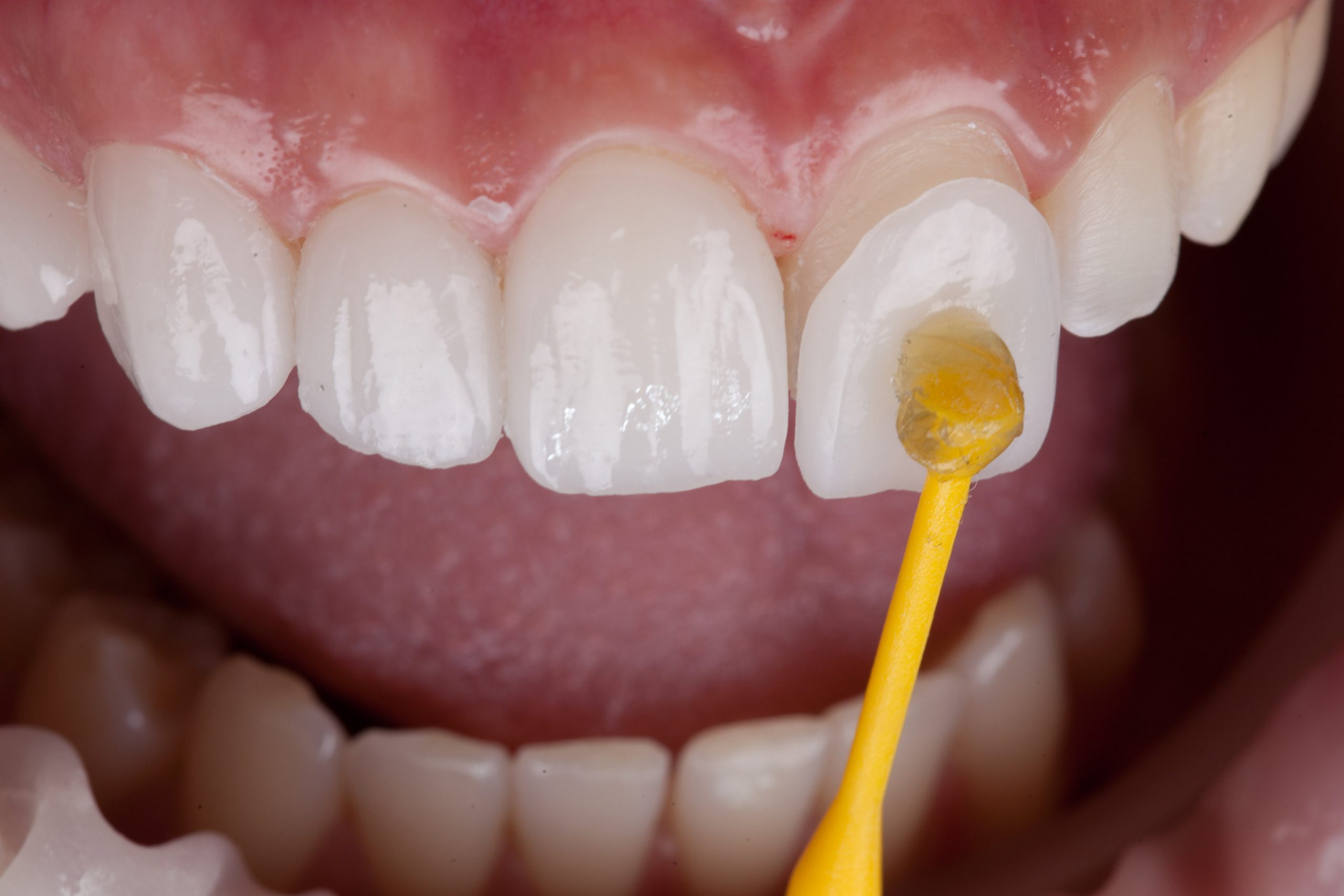 Creating a natural-looking smile is about more than whitening or straightening teeth—it’s about matching the color, shape, and translucency of your existing teeth. Through careful digital planning, photography, and collaboration with our in-house master ceramist, each veneer is designed with subtle variations that mimic natural enamel, from tiny striations to the way light passes through the tooth. Hand-staining and layering techniques, refined over years of practice, help each restoration blend seamlessly. Whether enhancing a single tooth or an entire smile, the result is a smile that appears effortless, balanced, and entirely natural.